The summer the cans exploded.
We built one of the UK's first hard seltzer brands in lockdown, grew it on Instagram, put it in fifty festivals, ran a delivery partnership with GoPuff, and then recalled every can. Here's the whole story, and what I'd do differently.
A brand built in lockdown
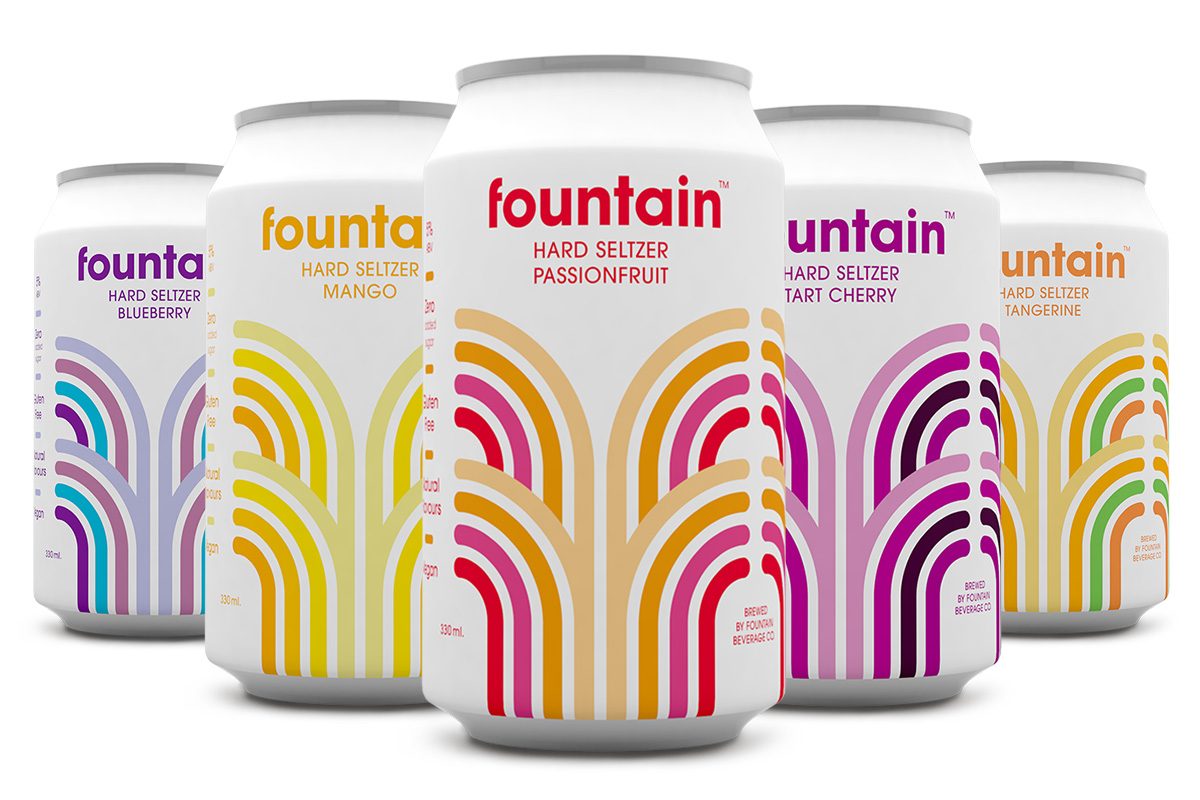
Fountain started in 2020, when nobody could go anywhere. Hard seltzer had exploded in the US and barely existed in the UK. It felt like the gap was wide open: lighter, cleaner, better looking than most of what was on the shelf, and a category where nobody had built a brand people loved yet.
We designed it to look like summer. Bright, layered arches of colour on a white can, flavours you'd actually want on a hot day. We found a brewer to make it, and we launched the only way open to us at the time: direct to people's doors, grown almost entirely on Instagram.
Fifty festivals
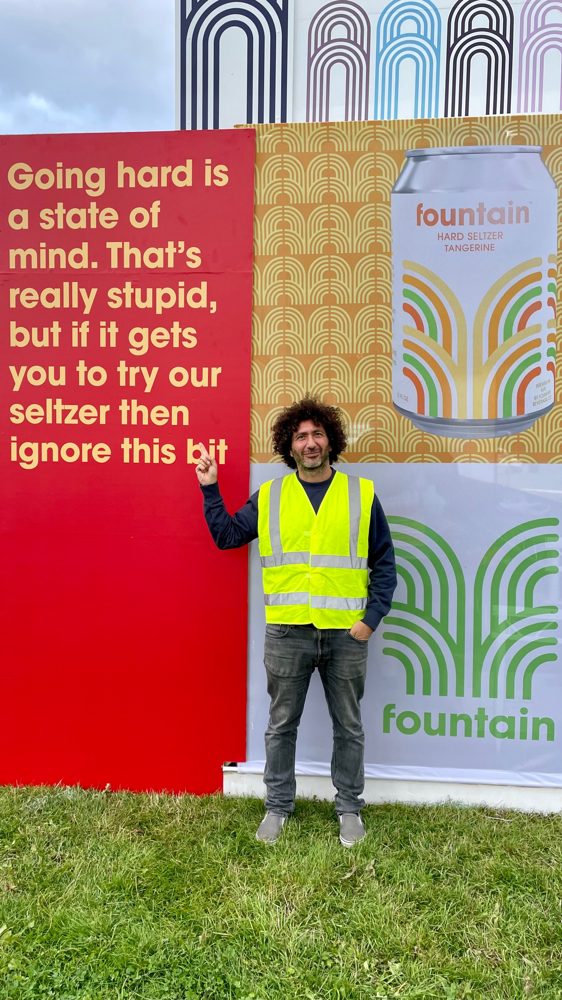
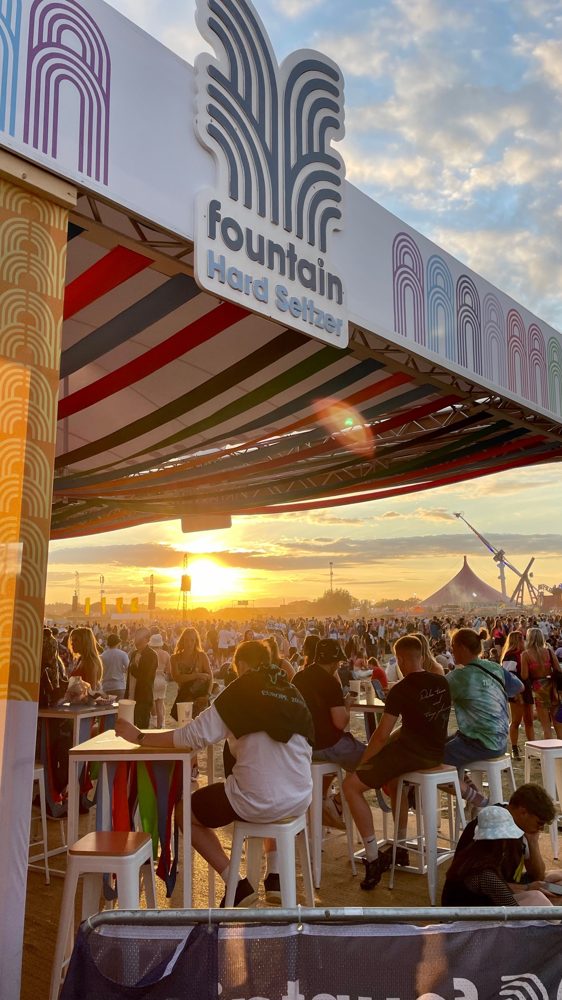
When the world opened up again, we went big. We signed a deal with Live Nation and had a bar at around fifty festivals across one summer. I spent weeks in a hi-vis vest, pouring, carrying stock and watching people try the product for the first time. Watching someone taste your drink in a field, and then come back for another one, is about the best market research there is.
The GoPuff experiment
We also tried something new. We partnered with GoPuff, the rapid delivery app, around the festivals. The idea was simple: GoPuff wanted app downloads, pre-festival orders and in-festival deliveries. We wanted brand exposure and can sales. We put QR codes across all our festival comms, shared discount codes for before and after the festival, gave VIP cards to anyone who'd bought from us online beforehand, and let people redeem free merch at the bar.
Was it worth it? Yes, but. We ran out of merch. We sold some extra cans. We created a real buzz around the brand and put several thousand new customers in front of GoPuff. But we also learned that without strong foundations, it's hard to sell a brand-new product through someone else's app. We didn't understand the nuances of their app well enough to make the most of it. The promotion needed a bigger budget to work properly. And at festivals, mobile data is terrible. People wanted to download the app and couldn't.
I still use that partnership as a case study when I teach quick commerce, because every one of those lessons applies to brands of any size.
The phone call
Then, in the summer of 2022, my 3PL rang. The cans were going off in the warehouse, he said. Popping. Like popcorn.
It was one of the hottest summers the UK had seen in years. It turned out the brewer hadn't done enough quality testing and had got the formula wrong. Under that heat, the pressure in the cans built up until they gave way.
There is only one thing you can do at that point. We recalled everything. Every can from every festival, every retailer and every customer we could reach. A few weeks later our American backers decided to shut the business down.
What a recall teaches you
Nobody plans for a recall, and that's the problem. In the space of a few weeks I learned more about trucking, duty, alcohol licensing, cans, printing, insurance and logistics than in the previous two years. I learned what it costs to pull product back from fifty different places at once. I learned how quickly the people around you divide into those who help and those who disappear.
What I tell founders now
- Your supplier's quality process is your quality process. I'd never again rely on a manufacturer's word. Independent testing, batch by batch, before anything ships. Especially for anything under pressure, perishable or temperature sensitive.
- Physical products have physics. Heat, pressure, pallets, trucks, duty, labelling, shelf life. If you're new to stock, learn this early or find someone who knows it.
- Awareness isn't the same as a business. Fifty festivals built awareness. They didn't build repeat purchase. We needed more foundational brand work before we chased reach.
- Partnerships need budget and data. A co-promotion only works if both sides understand each other's customer and there's enough money behind it to cut through.
- Investors back the plan. When the recall hit, the plan was gone. The backers were right to call it, even though it hurt.
- Have a recall plan before you need one. Who you call, what you say to customers, where the stock goes, what insurance covers. One page. Write it this week.
Would I do it again?
Yes. The brand was right, the timing was right and the people were brilliant. I'd just test the cans.
Let's talk.
Tell me where you are and what's on your mind. Book a call, or email me if that's easier.
- You book a time or send me an email.I read and reply to enquiries personally, usually within a day.
- We talk for 30 minutes.You tell me what you're working on and what you need.
- I tell you straight whether I can help.If I can't, I'll point you to someone who can.