The trademark that cost us three years.
HIRO wasn't always called HIRO. The name we launched with got us suspended on Amazon for three years, nearly bankrupted the company and taught me the most expensive lesson of my career. If you're about to launch a brand, read this first.

A good start, in a new category
We launched the brand as HUX in 2021. Electrolytes were about to go from something only athletes cared about to something everyone kept in a kitchen cupboard, and we were one of the first UK brands doing them properly. We'd raised money. The product was good. Early sales were encouraging.
I was one of the two main founders and very involved in the foundations of the business, but I wasn't running it day to day. My focus was the digital side: the site, the channels, the growth engine. Someone else was in the CEO seat.
The warning we didn't take seriously enough
Before launch, the trademark lawyers flagged something. Another company held a registered trademark for a product with a similar name. It wasn't their company name, just the name of one of their products, a vitamin D3 supplement.
I wasn't part of that conversation, but the view at the time was reasonable on the face of it. Different company, different product, different positioning. It wasn't going to be a problem. So we carried on, filed our own mark, and launched.
If you're a founder reading this, that's the moment to pay attention to. Not the dramatic part that came later. The quiet moment when a professional tells you about a risk and the room decides it's probably fine.
Then the notices started
First came Shopify. A notice saying someone held a trademark and was objecting to ours. Then Amazon, just as we launched there. Our listings were suspended.
Here's what most founders don't realise until it happens to them. Marketplaces and platforms don't run courts. They run risk. When a rights holder with a registered mark files a complaint, the platform's simplest, safest action is to take the listing down and let the parties sort it out. Whether you are "right" in a legal sense hardly matters in the short term. They have a registration and a complaint. You have a problem.
We hadn't copied anyone. We were a different business, in a different part of the category, with a product that looked nothing like theirs. But the other side was unhappy that we were using a similar name, and they had the registration. That was enough.
What it cost
Three years without Amazon. Three years in exactly the window when electrolytes went mainstream in the UK and the brands that were on Amazon early grabbed the reviews, the rankings and the repeat customers. Imagine launching on Amazon in early 2022 instead of years later. It would be a very different business today.
It also cost money, in legal fees and in sales we never made. It cost sleep. It cost most of the goodwill in the company. At one point it nearly put us into bankruptcy.
Buying it back and starting again
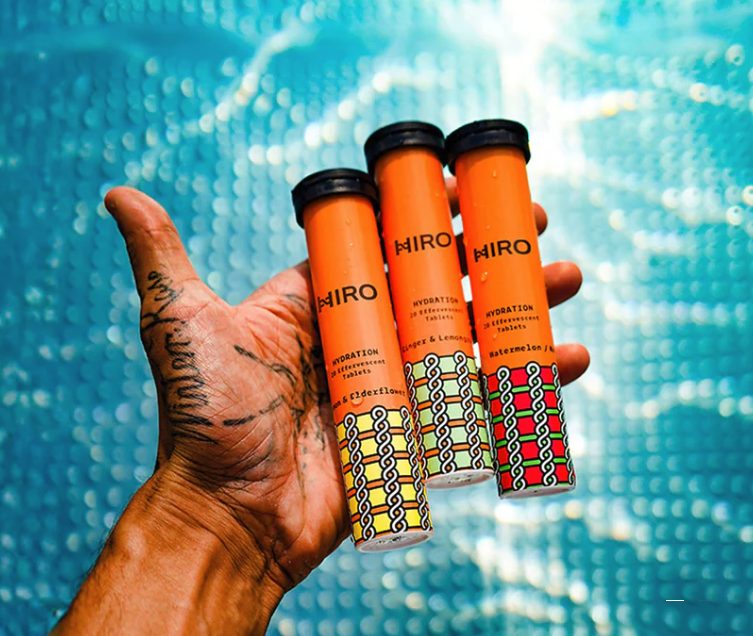
In the end I bought the business back from my business partners and took it on myself. We changed the name to HIRO, cleared the new mark properly, and rebuilt.
And only this June, years after the first notice, I finally got the Amazon suspension overturned.
You can't look back for long in business. But I can make sure nobody I work with repeats it.
What I check with every founder now
- Clear the name before you fall in love with it. Search more than exact matches. Similar spellings, similar sounds, product names as well as company names, adjacent categories, and every market you might sell in within five years.
- Treat "it probably won't be a problem" as a decision, and cost it. If a lawyer flags a risk, write down what happens if it goes wrong: which channels you lose, for how long, and what that costs. Then decide whether the name is worth it. It rarely is.
- Register before you launch, in the right classes. Supplements, food and drink often sit across several classes. Think about how Amazon and the big retailers will categorise you, not just how you describe yourself.
- Know how each platform handles complaints. Amazon, Shopify and the social platforms each have their own processes. Read them before you need them, and set up brand registry as soon as you can.
- Keep every document. Filings, letters, emails, dates. When you get your chance to make your case, years later, you'll need all of it.
- Don't build a channel strategy on one platform. If Amazon had been one of five channels instead of the big one, the damage would have been smaller. Spread the risk early.
Let's talk.
Tell me where you are and what's on your mind. Book a call, or email me if that's easier.
- You book a time or send me an email.I read and reply to enquiries personally, usually within a day.
- We talk for 30 minutes.You tell me what you're working on and what you need.
- I tell you straight whether I can help.If I can't, I'll point you to someone who can.