Meta has built a genuinely good assistant. Now I have to decide if I trust it.
Meta's new AI agent cleared a month of my life admin in one evening. It's surprisingly good, it can't touch Amazon, and if you sell products online you need to pay attention.

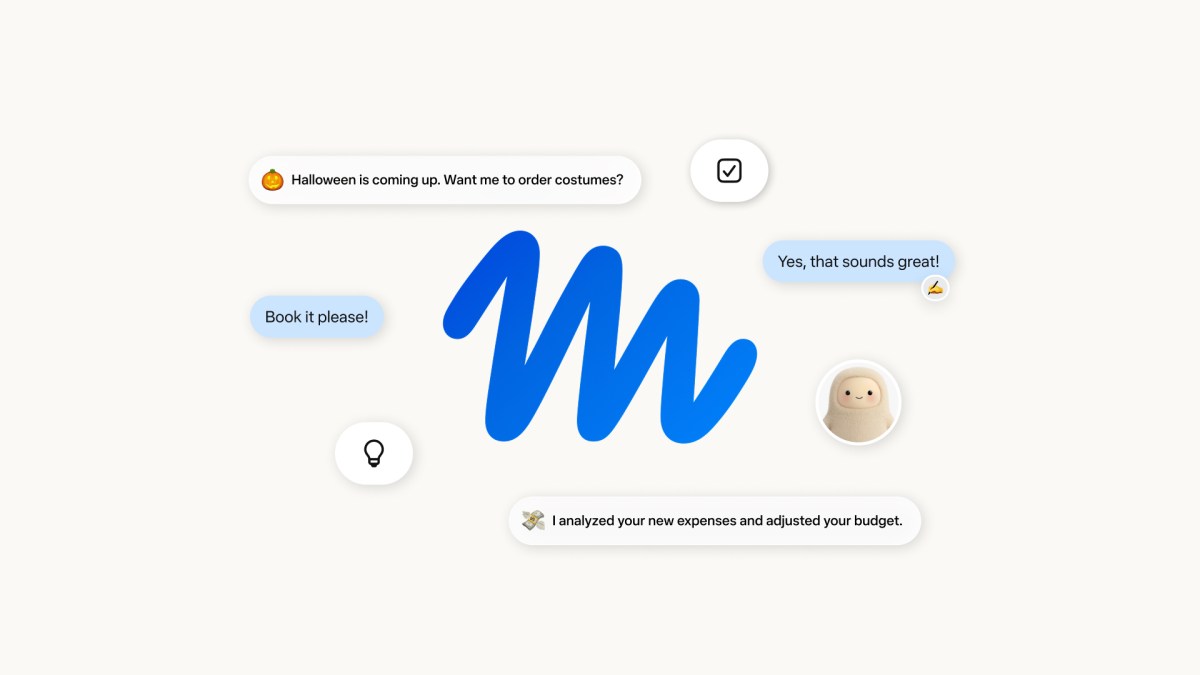
Meta launched Muse in the UK on Monday. I downloaded it straight away to have a play, and I have to admit I'm impressed.
In a single evening it drafted an eBay listing for my old Mac Mini, started chasing me about life admin I'd been putting off for weeks, booked a dinner table, booked an event and arranged a test drive. It asks before it spends any money or sends an email, which is exactly how it should work.
It's built for everyday admin, and they've nailed it. I hate to admit it, but Meta has made something useful. I've even told my wife to try it instead of ChatGPT Plus.
Which leaves me with an awkward question: do I actually trust Meta?
The trust problem
My first instinct was to hate the idea of Meta sitting in the middle of even more of my life, and making even more money off me. They're obviously going to monetise this, and we all know their track record.
Then again, they already make money from most of what I do online, and my data has been leaked enough times over the years that this probably changes very little. For once, Meta has taken everything it knows about how people think and what keeps us hooked, and used it to save me time. If something is this useful, I don't want to boycott it just because it's Zuckerberg's. Maybe all that data has finally been put to good use. The jury's still out.
The big gap: Amazon
There's one massive catch. It doesn't work with Amazon.
Amazon blocked Muse back in September, a couple of weeks after the US launch, arguing that unauthorised AI agents break its customer terms. It told Meta to strip Amazon out of Muse altogether. Meta said no, so for now they're at a standoff.
Like most people, I buy a lot of my stuff on Amazon, so that's a real gap, and probably the biggest thing holding Muse back right now.
To be fair, I get why Amazon is fighting it. If an AI agent does your shopping, you stop browsing Amazon, stop seeing its recommendations and stop clicking its ads. Amazon wants to own that relationship, and it has its own shopping assistant, Rufus, to protect it.
Why this matters if you sell things
Because I run brands, the side I keep coming back to is what this means for sellers.
When Muse booked my dinner, it chose the restaurant. When it booked my test drive, it chose the dealer. Once people start using it to shop, it's going to choose the retailer too. In the UK it's launched with big names already plugged in, reportedly including M&S, Currys, Sainsbury's and easyJet. If you're plugged in, Muse can buy from you in a couple of taps. If you're not, you've just been pushed a step further away from the customer.
And remember, Meta is an ad company. Right now the agent feels like it's working for me. I'm very curious to see what happens the moment brands can pay to be the one it recommends. That would put an ad right inside the buying decision.
The standoff with Amazon only raises the stakes. Big retailers are starting to pick sides, some letting agents in and others shutting the door, and customers will end up buying wherever their assistant can reach.
I can easily see loads of people doing what I just did: downloading it for the boring admin, realising how good it is, and slowly letting it handle their shopping too.
What I'd be doing right now
If you run a consumer brand, here's where I'd start:
- Ask it to buy what you sell. See which brands and retailers it recommends, and pay attention to how it describes them.
- Check who's already plugged in. Find out if anyone in your category is selling through Muse, and whether you can get in there too.
- Nail the basics everywhere you sell. Live stock, clear pricing, delivery times and returns are the exact details an agent reads before making a pick.
- Don't rely solely on Amazon. If Amazon drives most of your revenue, make sure people can buy from you somewhere agents can actually reach, starting with your own site.
- Watch out for paid placement. The day brands can pay to be the agent's default choice will be as big a shift as Google Ads was.
For now I'm going to keep using Muse for my admin, with payment approvals firmly switched on. Ask me again in six months.
The In Your Corner newsletter.
Occasional emails from me on ecommerce and AI: a shortcut that's working, what I'm seeing in the market, or Field Notes from an event. It's free, and everything in it is something I've tried myself.
Let's talk.
Tell me a bit about what you're working on. Book a call, or email me if that's easier.
- You book a time or send me an email.I usually reply within a day.
- We talk for 30 minutes.You tell me where things are and what you need.
- I tell you straight whether I can help.If I can't, I'll point you to someone who can.